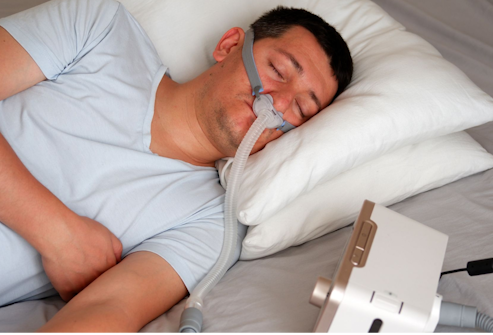
Sleep Apnea
Sleep apnea is a common sleep disorder in which breathing repeatedly stops and starts during sleep. These pauses can last from a few seconds to over a minute and may occur dozens or even hundreds of times per night. As a result, your brain briefly wakes you up to restart breathing, even if you don’t remember it.
There are three main types:
- Obstructive sleep apnea (OSA): The most common type. The muscles in the throat relax too much, causing the airway to become partially or completely blocked.
- Central sleep apnea (CSA): The brain temporarily fails to send the proper signals to the muscles that control breathing.
- Complex sleep apnea syndrome: A combination of obstructive and central types.
Diagnosis is usually made with a sleep study, either in a sleep laboratory or sometimes with a home test.
BOOK A CONSULTATION TODAY – FAST AND EFFECTIVE SOLUTIONS FROM OUR EXPERTS.
Treatment depends on the cause and severity and may include:
- Weight loss, if appropriate
- Sleeping on your side instead of your back
- Avoiding alcohol and sedatives before bedtime
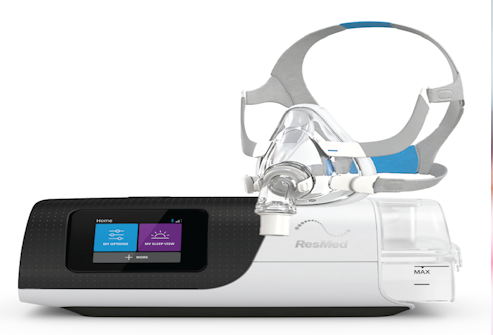
- A CPAP (continuous positive airway pressure) machine, which keeps the airway open during sleep
- Oral appliances that reposition the jaw
- Surgery in selected cases
If you or someone close to you notices loud snoring, repeated pauses in breathing, or you feel excessively sleepy during the day despite getting enough hours of sleep, it’s a good idea to discuss these symptoms with a healthcare provider, as sleep apnea is treatable and treating it can significantly improve both sleep quality and overall health.
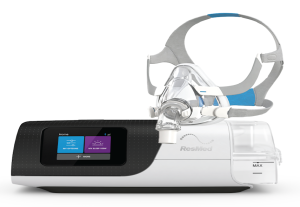 CPAP Therapy
A Continuous Positive Airway Pressure (CPAP) machine delivers a constant flow of air through a mask to keep the airway open during sleep.
Benefits:
- Considered the gold standard for moderate to severe OSA
- Reduces snoring and breathing interruptions
- Improves daytime alertness and sleep quality
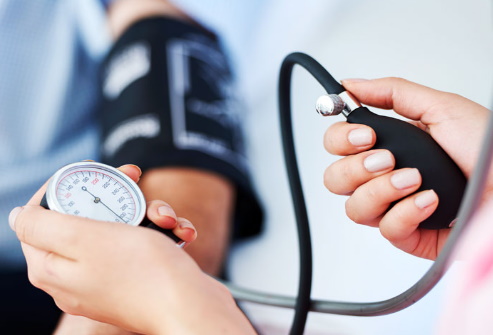
- May lower the risk of high blood pressure, heart disease, and stroke